
If you work in healthcare or have ever stepped into a hospital, you’ve seen them everywhere—medical scrubs.
But have you ever wondered how they went from boring white uniforms to the vibrant, comfortable outfits healthcare workers wear today?
Over the last five decades, medical scrubs have transformed completely. From the fabric for scrubs to the designs and colors, everything has changed to meet the needs of modern healthcare professionals.
What Did Healthcare Workers Wear Before Modern Scrubs?
Before the 1970s, doctors and nurses didn’t wear what we call scrubs today. Surgeons worked in their street clothes, sometimes throwing on a basic white gown.
Nurses wore stiff white dresses with caps—impractical and uncomfortable for long shifts. The color white symbolized cleanliness and sterility, but it had major problems.
White fabric showed every stain, including blood and bodily fluids. It was also harsh under the bright operating room lights, causing eye strain for surgical teams.
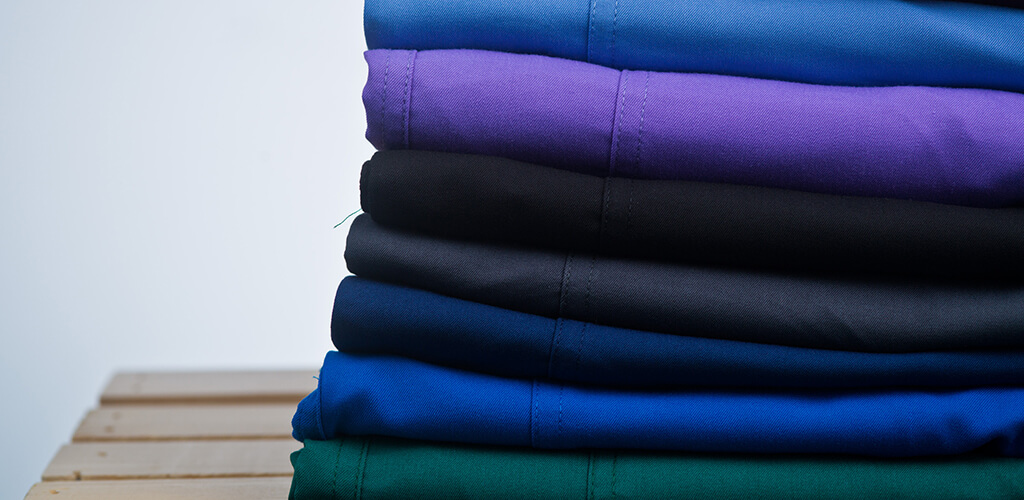
By the 1960s, hospitals started switching to green and blue scrubs. These colors reduced glare and made it easier for surgeons to focus during procedures.
The shift wasn’t just about comfort—it was about improving patient outcomes through better working conditions.
How Did Scrubs Become More Functional?
The 1980s and 1990s brought major changes to scrub design. Healthcare professionals needed uniforms that could handle 12-hour shifts, frequent washing, and exposure to various contaminants.
Manufacturers started using cotton-polyester blends that were durable, wrinkle-resistant, and easy to sanitize.
Pockets became deeper and more strategic. You needed quick access to pens, scissors, stethoscopes, and other tools.
V-neck tops replaced the old pullover styles, making them easier to put on and take off. Drawstring pants with elastic waistbands offered comfort during those long hours on your feet.
Here’s what changed during this period:
| Feature | Before 1980s | After 1990s |
| Fabric | 100% cotton, stiff | Cotton-poly blends, breathable |
| Colors | White, green, blue only | Multiple colors and patterns |
| Pockets | Minimal or none | Multiple functional pockets |
| Fit | One-size, boxy | Various sizes, tailored options |
What Role Did Technology Play?
The 2000s introduced antimicrobial fabrics that actively fought bacteria and odor. This was huge for infection control.
Some scrubs now feature moisture-wicking technology that keeps you dry during hectic shifts.
Stretch fabrics with spandex allow better movement—essential when you’re bending, reaching, and rushing between patients.
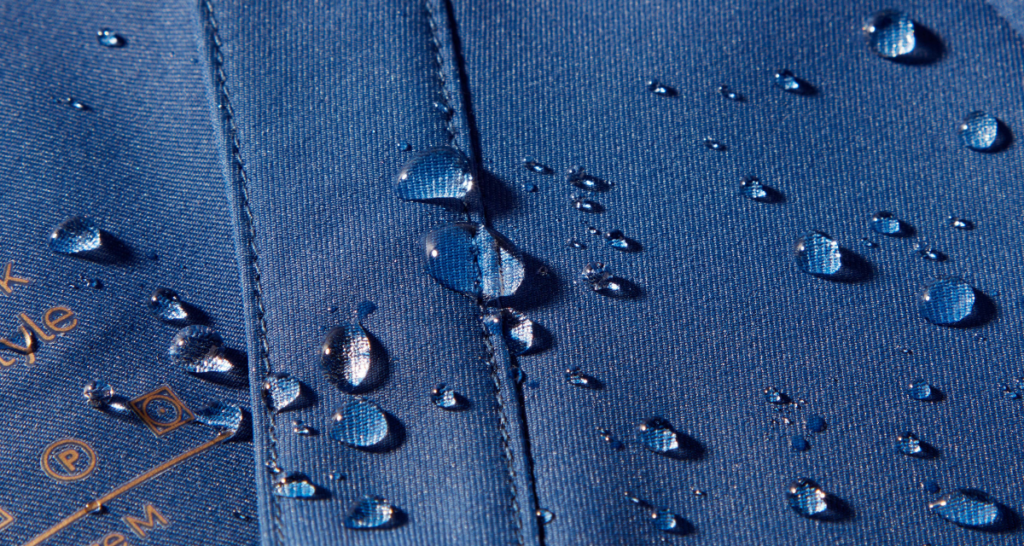
Manufacturers also started treating fabrics to repel fluids and stains. A simple coffee spill or blood splash no longer meant ruining your uniform. These innovations made scrubs more practical and extended their lifespan, saving healthcare workers money.
Can Scrubs Really Be Fashionable?
Yes, and that’s one of the biggest changes. Today’s scrubs come in hundreds of colors, prints, and styles.
Pediatric nurses wear cartoon characters to comfort kids. Surgical teams coordinate their scrub colors by department.
You can find athletic-fit scrubs, yoga-style waistbands, and even designer brands creating healthcare apparel.
This shift reflects a broader understanding: when healthcare workers feel good in what they wear, they perform better.
Comfortable, attractive scrubs boost morale and professional identity. You’re not just wearing a uniform—you’re wearing something that represents your dedication to patient care.
Some modern features include:
- Zippered pockets to secure valuables
- Side panels for better fit and movement
- Reflective trim for night-shift workers
- Convertible styles that adjust to different temperatures
How Do Modern Scrubs Address Sustainability?
Recent years have seen a push toward eco-friendly scrub production. Companies now use recycled polyester, organic cotton, and water-saving dyeing processes.
Healthcare generates massive amounts of waste, so sustainable uniforms help reduce the industry’s environmental footprint.
Some brands offer repair programs or take-back initiatives where old scrubs get recycled into new garments.
While not universal yet, this trend shows how medical apparel is adapting to global environmental concerns.
What’s the Difference in Price and Accessibility?
Fifty years ago, hospitals provided uniforms, giving workers limited choice. Now you typically buy your own scrubs, which means more options but also more expense.
Basic scrubs cost around $15-30 per piece, while premium brands run $50-100 or more.
The price range reflects quality differences. Cheaper scrubs might fade quickly or lose shape after multiple washes.
Higher-end options use better fabrics that last years. For healthcare workers wearing scrubs daily, investing in quality makes financial sense over time.
How Has the Fit Changed for Different Body Types?
Early scrubs came in small, medium, and large—that’s it. Today’s market offers petite, tall, plus-size, and maternity options.
Brands recognize that healthcare workers come in all shapes and sizes. A proper fit isn’t just about appearance; it affects your comfort and ability to do your job safely.
Unisex designs have also improved, moving away from the assumption that all healthcare workers are one gender. You’ll find scrubs cut specifically for different body types, ensuring everyone can work comfortably.
What Does the Future Hold?
Looking ahead, expect smart fabrics that monitor vital signs or temperature.
Some prototypes already include built-in sensors for tracking worker fatigue or exposure to hazardous materials. 3D body scanning might allow custom-fitted scrubs to be ordered online.
The fabric for scrubs will likely incorporate even more advanced antimicrobial treatments and self-cleaning properties. Imagine uniforms that actively kill pathogens or never need traditional washing—these aren’t far off.
Medical scrubs have come incredibly far from those plain white surgical gowns.
They’ve evolved into specialized workwear that balances function, comfort, safety, and style.
Whether you’re a nurse, doctor, or medical assistant, your scrubs represent decades of innovation designed to help you care for patients better.
Next time you put on your scrubs, remember—you’re wearing 50 years of progress.