
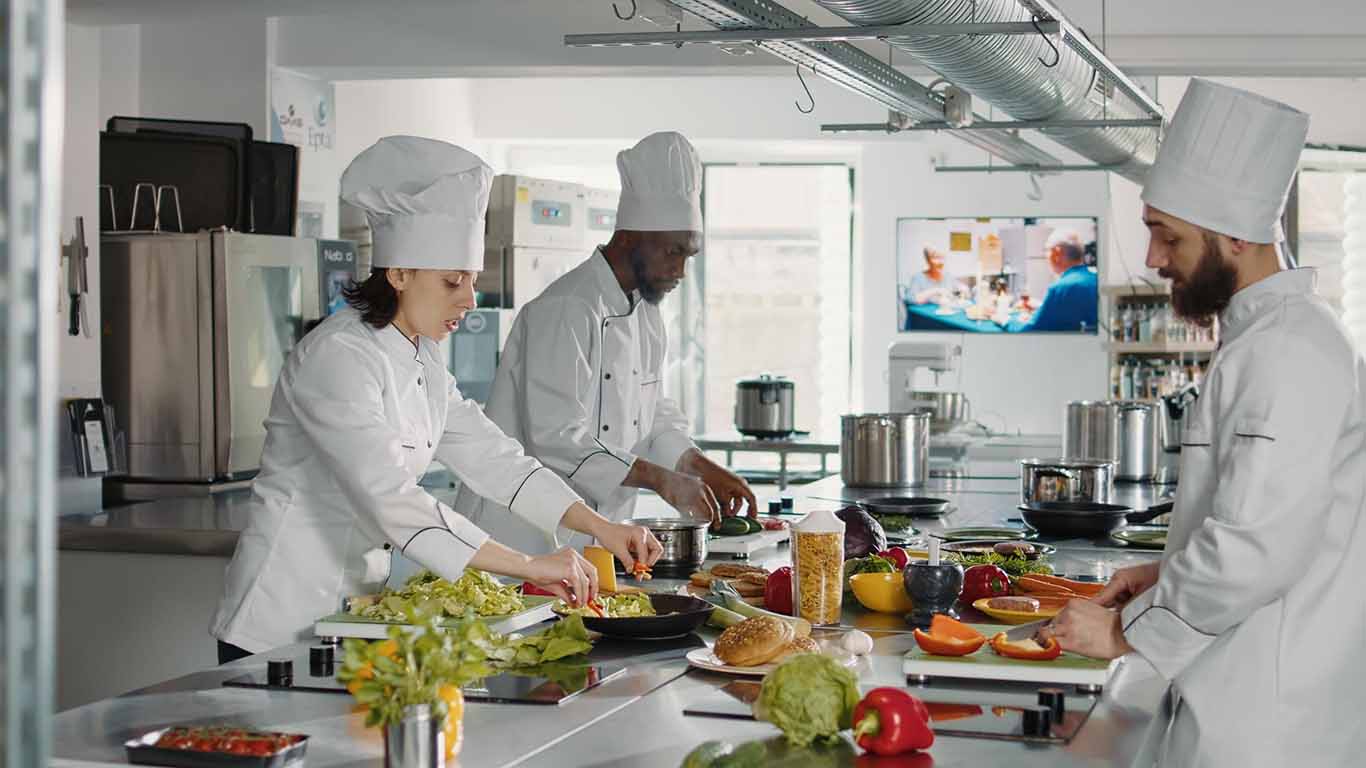
A good restaurant is not only based on the good recipes, but kitchen layout is also essential. The effective commercial restaurant kitchen design of the restaurant makes the staff efficient, safe, and working regularly. Through food preparation to serving, all the activities have an intelligent design.
Efficient design lowers the movement, accidents, and facilitates the services of high volume without impairing quality. Architects and consultants collaborate with the owners to develop practical spaces that are compliant with the health requirements and the operations requirements.
Planned kitchens also enhance the morale and productivity of the staff members and thus the restaurants continue to deliver at the same level and offer a better dining experience to the customers.
Layout Planning And Workflow Planning.
An efficient kitchen begins with effective planning. Staff must be able to transit easily between prep, cooking and plating via workflow. Stations are to be organized in such a way that to avoid congestion and facilitate teamwork.
To avoid delays, areas of storage, refrigeration, and prep should be conveniently located. Raw ingredient, cooking and cleaning are properly zoned to ensure safety and efficiency. Considerable design reduces the absence of bottlenecks in the peak times.
When employees are able to do their duties avoiding unneeded movement, the work will be quicker and easier. Clarity in the preparation of workflow plans is to make sure that the activities in the kitchen are complementary to the front-of-house service so that the dining experience is integrated.
The Choice Of Equipment And Materials.
It is crucial to select the appropriate appliances and surfaces to make them efficient and durable. The equipment must be based on the menu, size of the kitchen and number of staff. The stainless-steel surfaces are perfect in terms of hygiene and durability.
Energy-consuming appliances save on operation expenses and ecological footprint. Storage systems should maximize the space and still be accessible. Ergonomics alleviate fatigue and enhance performance of the staff. Ventilation and lighting are proper and promote safety and visibility.
Restaurants are sure to have a high degree of performance with minimal maintenance problems by choosing the right materials and equipment. Having clever decisions regarding the kitchen resources has a direct impact on speed, consistency, and productivity.
Adopting Restaurant Commercial Kitchen Design.
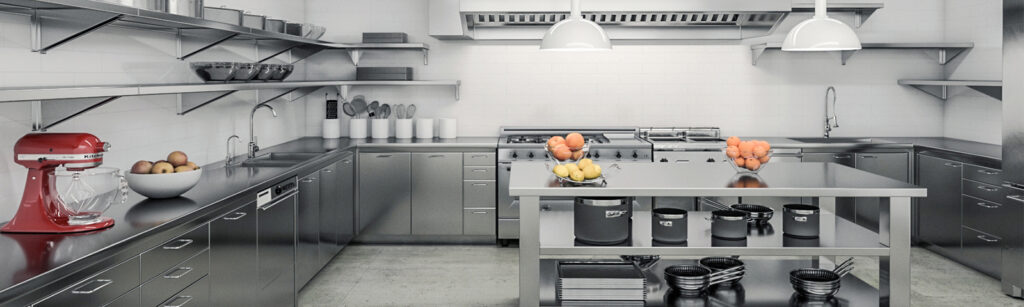
The practical implementation of commercial restaurant kitchen design consultants is directed by consultants and architects. They make sure that they adhere to health code, fire regulations and accessibility standards. The designs are tailored to menu requirements, staff functions and workload.
The advanced designs consist of smart storage, prep and cooking areas, which minimize inefficiencies. There is also the integration of technology in the form of digital order tracking and automated appliances which further optimizes the workflow.
The implementation is geared towards space optimization, ergonomics and safety. A properly executed design makes the staff to work without difficulties, minimizes mistakes, and contributes to a well-flowing service atmosphere that enhances the overall performance of the restaurant.
Ensuring Safety And Hygiene.
Commercial kitchens are not a place where safety and hygiene can be compromised. Accidents and contamination are prevented by good flooring, ventilation and disposal of wastes. The distinct areas between raw and cooked food minimize cross-contamination.
Thus, consistent cleaning routines and maintenance of the equipment secure employees and the customers. Sanitation is important and good handwashing stations. This is guaranteed by safety signage and training of the staff.
Operational efficiency is heightened when hygiene and risk management are given priority in the kitchens. These standards ensure a good reputation, fulfilling regulatory needs and giving the diners a safe and enjoyable experience and employees a safe place to work.
Conclusion
An efficient commercial kitchen is essential in success of the restaurants. Considerate workflow, effective equipment, and effective layouts improve productivity. The safety and hygiene practice keep everything in check and ensure safety and security of staff and customers.
The application of professional restaurant commercial kitchen design will guarantee smooth operations, minimize errors and assure uniform quality of services. Technology integration, ergonomics and storage optimization increase performance and morale.
Restaurants build efficient and working kitchens by paying attention to planning, selection of materials, and implementation. Good kitchen design supports the efficiency in operations, personnel satisfaction and general growth of the business, enabling the restaurants to provide quality dining experience on a regular basis.