

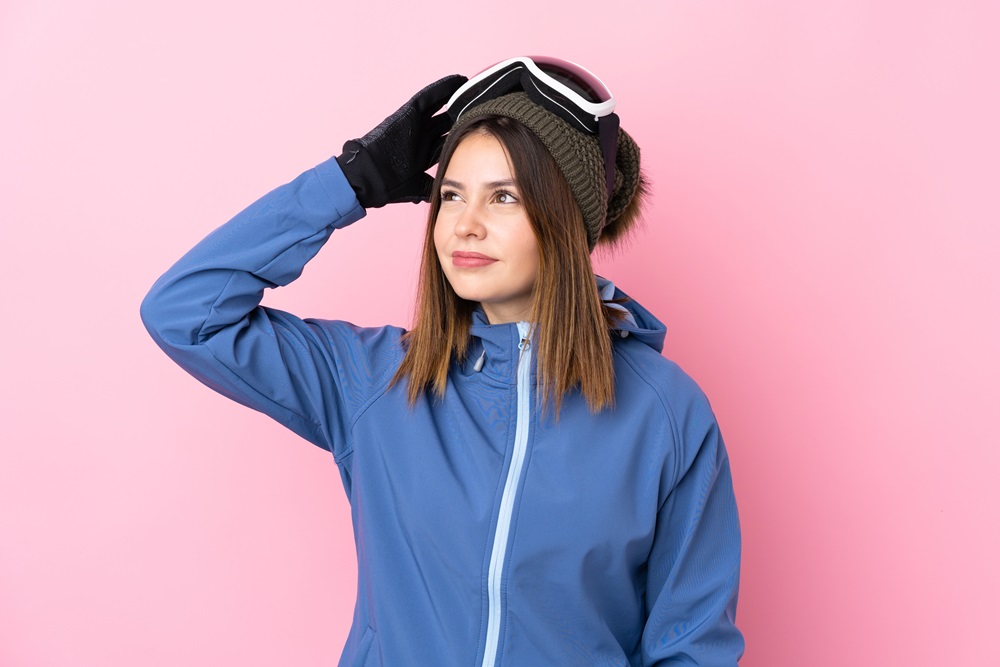
Your jacket choice says everything about how you ski. A backcountry skier needs light, packable gear that breathes during uphill climbs.
Resort skiers want warmth and pockets for long days on the chairlift. Picking the wrong women’s gore tex ski jacket means you’ll either overheat on the skin track or freeze waiting in lift lines. Here’s how to match your jacket to the way you actually ski.
What Does Backcountry Skiing Demand From Your Jacket?
Backcountry skiing means you earn every turn by climbing uphill. You’re moving constantly, sweating through ascents, then cooling down fast on descents. Your jacket needs to handle both extremes without weighing you down.
Weight matters enormously when you’re carrying everything on your back. Most backcountry-focused jackets weigh between 10 to 14 ounces.
That’s roughly the weight of a can of soup. Compare that to resort jackets that can hit 2 to 3 pounds, and you see why backcountry skiers obsess over grams.
Breathability becomes your top priority. When you’re skinning uphill at a steady pace, your body generates serious heat.
Studies show that active winter athletes can produce up to 1,000 grams of moisture per hour through sweat. You need vents and fabrics that let that moisture escape.
Most backcountry jackets use pit zips that extend from armpit to waist. You can open these completely during climbs and close them on descents. Some newer designs include chest vents or back panel ventilation too.
The fabric itself needs to breathe. Gore-Tex Pro is common in backcountry gear because it offers high breathability ratings—typically 20,000g or higher on the MVTR scale.
That’s the amount of moisture vapor that can pass through the fabric in 24 hours.
Packability matters when you’re transitioning. You might ski down in your puffy jacket and need to stuff your shell into your pack.
Backcountry jackets compress down to about the size of a water bottle. You can’t do that with an insulated resort jacket.
How Do Resort Jackets Prioritize Different Features?
Resort skiing means chairlifts, not climbing. You’re sitting still in cold wind for 5 to 10 minutes between runs.
Then you ski hard for 2 to 5 minutes. Your body temperature swings wildly, but you’re not generating the constant heat that backcountry skiers produce.
Insulation becomes critical. Most resort jackets include built-in insulation—typically 60 to 100 grams of synthetic fill in the body and 40 to 60 grams in the sleeves.
This keeps you warm during those chairlift rides when wind chill can drop temperatures by 10 to 20 degrees.
You want more pockets because you’re carrying your phone, ski pass, snacks, lip balm, and maybe hand warmers.
Good resort jackets have 5 to 8 pockets in smart locations. Chest pockets work for your pass. Internal pockets keep your phone from dying in the cold. Hand pockets need to be high enough that your harness doesn’t block them.
The powder skirt matters more at resorts. When you’re skiing fresh snow or taking tumbles in the terrain park, a snow skirt keeps powder from riding up your back. Backcountry skiers often skip this feature to save weight.
Durability gets tested differently at resorts. You’re bumping into other skiers on crowded runs. You’re sitting on chairlifts that can snag fabric.
You might be skiing through tight tree runs where branches grab at you. Resort jackets typically use 2-layer or 3-layer Gore-Tex that’s reinforced in high-wear areas.
What About the Women’s Gore Tex Ski Jacket Fit Differences?
Fit changes dramatically between these two styles. Backcountry jackets cut closer to your body with articulated sleeves that move with you during climbing motions.
You’re layering underneath, but not thick layers—usually just a base layer and maybe a light midlayer.
Resort jackets fit looser. You need room for a puffy jacket underneath on cold days. The extra space also helps trap warm air around your body.
Length runs longer too—often covering your hips completely to keep snow out.
Here’s what the numbers look like:
| Feature | Backcountry Jacket | Resort Jacket |
| Weight | 10-14 oz | 24-48 oz |
| Insulation | None or minimal (20g max) | 60-100g synthetic |
| Pockets | 2-4 (essentials only) | 5-8 (full storage) |
| Breathability | 20,000g+ MVTR | 10,000-15,000g MVTR |
| Length | Hip or slightly below | Mid-thigh coverage |
Can You Actually Use One Jacket for Both?
Some women try to make one jacket work for everything. This usually means compromises that leave you unhappy in both situations.
If you mostly ski resorts but take occasional backcountry trips, get a resort jacket and just deal with being warm on the uphill. You can manage by opening vents and removing layers.
If you’re primarily backcountry but hit the resort sometimes, get a lightweight shell and carry a puffy jacket for chairlift warmth.
This works better than the reverse because you can add warmth with layers but you can’t make a heavy jacket lighter.
The only true crossover option is an uninsulated 3-layer shell with excellent ventilation.
You manage warmth entirely through layering. This gives you maximum flexibility but requires you to carry and manage more layers throughout the day.
What Features Actually Matter for Your Skiing?
Hood design differs significantly. Backcountry hoods need to fit over a helmet but stay minimal and packable.
Resort hoods often have more insulation and better coverage around your face for chairlift protection.
Cuffs seem like a small detail but affect your day considerably. Backcountry jackets use simple elastic or Velcro cuffs that slide under gloves easily. Resort jackets often have inner cuffs with thumb holes plus outer adjustable cuffs for maximum weather protection.
The reality is that your jacket should match where you spend most of your ski days.
A women’s gore tex ski jacket designed for resort skiing will make you miserable in the backcountry. And a minimalist backcountry shell will leave you cold and frustrated at the resort.
Frequently Asked Questions
Is a women’s paddling jacket enough protection on its own in cold water?
Answer: No. The jacket is only part of the system. What you wear underneath—base and mid-layers chosen for water temperature—plays an equally critical role in preventing hypothermia.
Should I dress for air temperature or water temperature when paddling?
Answer: Always dress for water temperature. Cold water pulls heat from your body far faster than air, and warm weather can be misleading if the water is cold.
What’s the best layering setup under a paddling jacket for 40–50°F water?
Answer: Use a thicker synthetic or merino base layer combined with neoprene or fleece insulation. Bulky layers should be avoided to maintain mobility for self-rescue.
Why is cotton dangerous to wear under a paddling jacket?
Answer: Cotton absorbs water, stays wet, and actively removes heat from your body. In cold water conditions, this greatly increases the risk of hypothermia.
Can wearing too many layers under a paddling jacket be risky?
Answer: Yes. Excess layers restrict movement, increase water weight if you capsize, and can make swimming or rescue difficult. Efficient insulation is safer than bulky clothing.

