

Medical professionals need scrub tops and pants that feel comfortable, look polished, and support real workday movement. A good scrub set should handle walking, bending, reaching, sitting, patient-facing tasks, repeated laundering, and daily organization without feeling stiff, bulky, or poorly fitted.
For healthcare workers comparing Zavaté Studio scrubs, the main buying factors are fit, fabric feel, pocket layout, waistband comfort, pant length, and professional appearance. The right scrub set should work as a complete uniform, not just as separate top and pant pieces.
Quick Answer
Zavaté Studio scrubs are a practical option for medical professionals who need scrub tops and pants that balance comfort, function, and clean everyday style. They are especially relevant for nurses, medical assistants, dental teams, veterinary workers, students, clinic staff, and other healthcare professionals who need dependable medical uniforms for regular use.
The best way to evaluate them is to check how the scrub top and pant fit together, how the fabric feels during movement, whether pockets match the role, and whether the garment care instructions fit the wearer’s laundry routine.
Why Scrub Tops and Pants Should Be Chosen Together
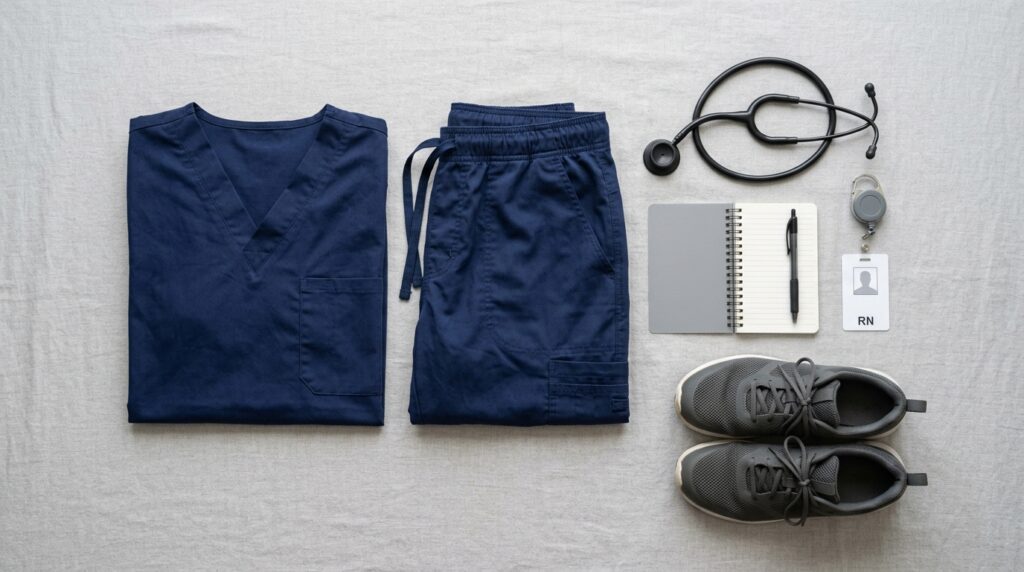
Many healthcare workers buy tops and pants separately, but the full set should be evaluated together. A top may look good with one pant style but feel too long, too short, or too boxy with another. A pant may fit well at the waist but not match the top’s shape or professional appearance.
The U.S. Bureau of Labor Statistics shows that healthcare work covers many settings, including hospitals, outpatient centers, physician offices, nursing facilities, home healthcare, dental settings, and other clinical environments. Because these workplaces vary, scrub needs can also vary by role and activity level. The BLS overview of healthcare occupationsgives helpful context for the wide range of uniform needs across the field.
A complete scrub set should support:
- Comfortable movement
- Professional appearance
- Proper coverage
- Useful pocket access
- Correct pant length
- Workplace dress code rules
- Easy laundering
- Long-term wearability
The best scrub choice is the one that feels practical during the actual workday.
What Makes Zavaté Studio Scrubs Practical?
A practical scrub collection should offer more than a clean look. It should help healthcare workers move, stay organized, and maintain comfort during long or active shifts.
Professional Everyday Appearance
Healthcare workers often interact with patients, coworkers, families, and visitors. Scrubs should look neat and appropriate for clinical settings. A modern scrub set can help workers maintain a polished appearance without sacrificing comfort.
Professional scrubs should not feel too tight, too loose, too casual, or too difficult to maintain. The goal is a clean work-ready look that still supports clinical movement.
Functional Tops and Pants
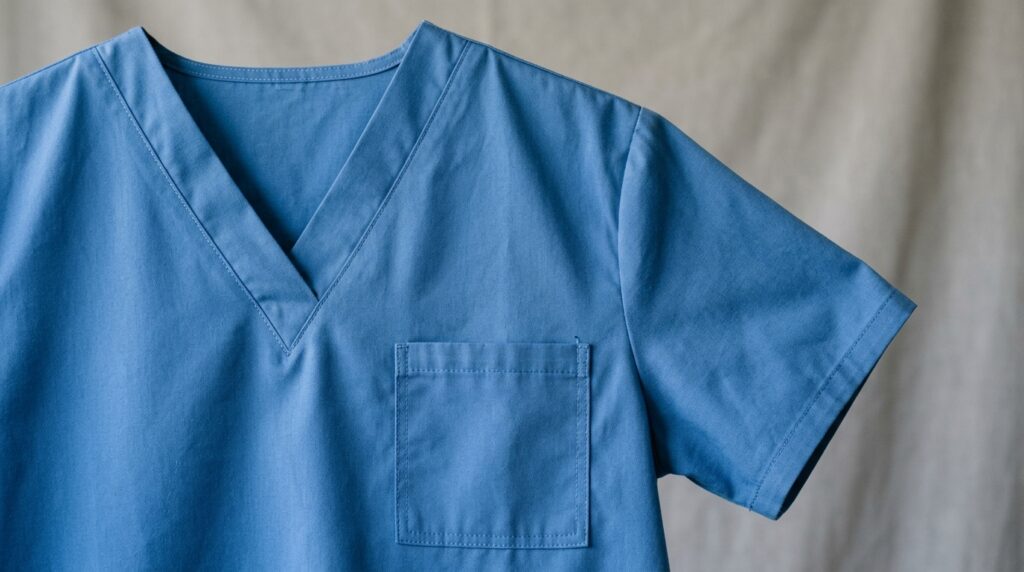
A good scrub top should provide coverage, shoulder movement, and practical pocket placement. A good scrub pant should provide waistband comfort, secure fit, useful storage, and proper inseam length.
Workers comparing medical scrub pants should check fit through the waist, hips, thighs, knees, and lower leg. Workers comparing medical scrub tops should check neckline coverage, sleeve comfort, top length, side vents, and pocket function.
Workday Comfort
Comfort depends on more than softness. A scrub can feel soft but still fit poorly. A comfortable scrub set should allow movement without pulling, sagging, overheating, or requiring constant adjustment.
Who Should Consider Zavaté Studio Scrubs?
Zavaté Studio scrubs may be useful for healthcare professionals who need dependable scrub tops and pants for routine clinical work.
Nurses
Nurses often need scrubs that support movement, storage, and long-shift comfort. Tops should allow shoulder mobility, while pants should support walking, bending, sitting, and standing.
Important features for nurses include:
- Flexible movement
- Useful pockets
- Secure waistbands
- Breathable fabric feel
- Correct pant length
- Fabric that holds shape
- Easy laundering
Medical Assistants
Medical assistants often move between patient intake, exam rooms, supplies, and administrative tasks. They need scrubs that look professional while supporting varied movement throughout the day.
Dental Teams
Dental professionals may sit, lean, reach, and move between treatment areas. Scrub tops should allow upper-body mobility, and scrub pants should remain comfortable while sitting for longer periods.
Veterinary Staff
Veterinary workers may bend, lift, clean, and move quickly. Durable fabric, practical pockets, and easy-care laundering can be especially important in active veterinary settings.
Healthcare Students
Students may need scrubs for labs, clinical rotations, and early work experience. Since school programs often have strict color or style rules, students should confirm requirements before buying.
How to Evaluate Medical Scrub Tops
Scrub tops should be tested for movement, coverage, and role-specific function. A top that looks good while standing still may not work well during repeated tasks.
Neckline Coverage
The neckline should provide appropriate coverage while bending, sitting, and reaching. In healthcare settings, coverage matters because workers move frequently and interact closely with patients.
Shoulder and Upper Back Movement
A scrub top should allow reaching forward, lifting the arms, and turning without pulling across the shoulders or upper back. Tightness in this area can become uncomfortable during active work.
Sleeve Comfort
Sleeves should allow movement without feeling tight around the upper arm. This is especially important for dental workers, nurses, veterinary teams, and medical assistants who reach often.
Top Length
Top length affects both comfort and appearance. A top that is too short may ride up during movement. A top that is too long may feel bulky, especially when paired with jogger or tapered pants.
Pocket Placement
Pocket placement should match the worker’s role. A simple top pocket may be enough for some professionals, while others may need more storage. Pockets should remain easy to access without making the top pull unevenly.
How to Evaluate Medical Scrub Pants
Scrub pants can make or break the uniform experience. Pant fit affects movement, posture, comfort, and professional appearance.
Waistband Comfort
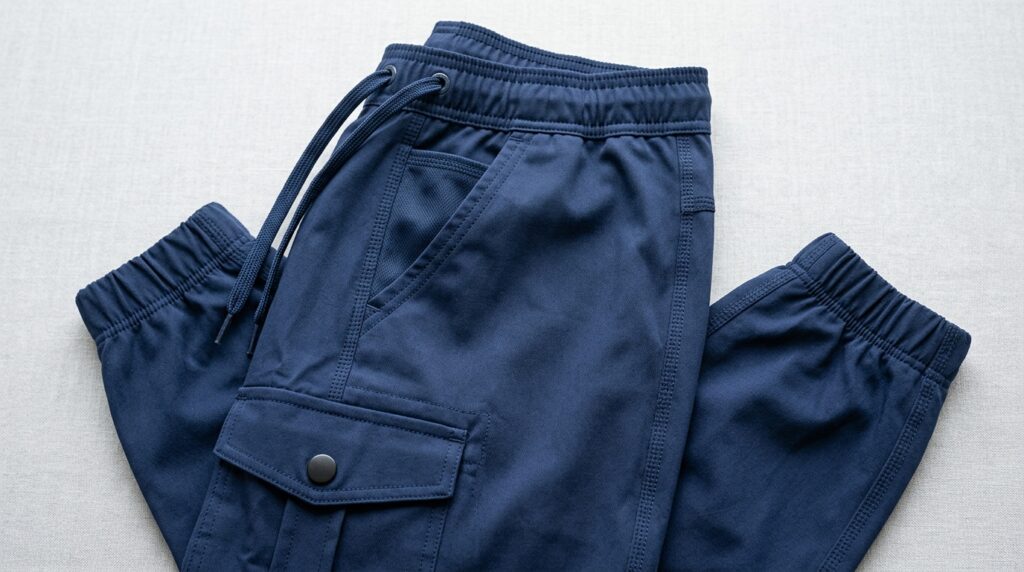
The waistband should stay secure without digging, rolling, or sliding. It should feel comfortable when standing, sitting, walking, and bending. Workers should also check whether the waistband stays stable when pockets are carrying small items.
Rise
Rise affects how pants sit at the waist and hips. A rise that is too low may feel uncomfortable when bending or sitting. A rise that is too high may feel restrictive depending on body shape and preference.
Inseam Length
Inseam length should match the wearer’s height and work shoes. Pants that drag can look unprofessional and create discomfort. Pants that are too short may feel awkward when walking or sitting.
Leg Shape
Medical scrub pants may come in straight, tapered, jogger, or slim-style cuts. Straight-leg pants often feel traditional. Tapered pants may look more modern. Joggers can feel secure around the ankle but should be checked against workplace rules.
Pocket Function
Pant pockets should be accessible and comfortable. Healthcare workers may use pockets for pens, note sheets, phones, badge reels, keys, or small tools.
Useful pocket features may include:
- Side-entry pockets
- Cargo pockets
- Zipper pockets
- Hidden pockets
- Pen slots
- Phone pockets
- Badge loops
A pocket layout should support the role without adding unnecessary bulk.
Fabric Features That Matter in Scrubs
Fabric affects comfort, movement, durability, and laundering. A professional scrub set should feel comfortable without losing structure.
Stretch
Stretch helps scrubs move with the body. It is useful for bending, reaching, walking, sitting, and working through active routines.
Recovery
Recovery means fabric returns to shape after movement. This matters because scrubs with poor recovery may look stretched out or feel loose by the end of the day.
Breathability
Breathable fabric can reduce the feeling of heaviness during active shifts. It is especially useful for workers who move often, work in warm environments, or layer uniforms with jackets or underscrubs.
Softness
Soft fabric can improve all-day comfort. However, softness should be balanced with durability, coverage, and professional structure.
Durability
Scrubs are washed often, so seams, pockets, waistbands, and fabric surfaces should be able to handle regular use. A scrub that looks good at first but fades, shrinks, or loses shape quickly may not offer strong long-term value.
Matching Scrubs to Workplace Requirements
Healthcare workers should always confirm workplace rules before buying scrubs. Some employers require specific colors, embroidery, pant styles, or professional appearance standards. Schools and clinical programs may also have strict uniform requirements.
Before buying, confirm:
- Approved scrub colors
- Accepted top styles
- Accepted pant styles
- Jacket or underscrub rules
- Lab coat requirements
- Embroidery rules
- Footwear guidelines
- Department-specific color coding
Checking these details early prevents returns and unusable purchases.
Laundering and Care Considerations
Medical scrubs are washed frequently, so care requirements should be reviewed before purchase. A scrub set should fit the worker’s laundry routine and employer policies.
The CDC provides guidance on healthcare laundry and bedding, including cleaning considerations for healthcare textiles. Workers should follow employer policies, garment care labels, and any infection-control requirements that apply to their setting.
Before buying scrubs, check:
- Wash temperature instructions
- Drying recommendations
- Bleach restrictions
- Ironing guidance
- Shrinkage risk
- Color retention
- Wrinkle resistance
- Fabric-specific care instructions
Easy-care scrubs are especially helpful for workers who need several clean uniforms each week.
Scrubs and Workplace Safety
Scrubs are professional workwear, not a replacement for required personal protective equipment. OSHA explains that personal protective equipment helps reduce exposure to hazards that may cause workplace injuries or illnesses.
Depending on the healthcare setting, workers may still need gloves, gowns, masks, eye protection, respirators, or other PPE. Scrub tops and pants should be selected for fit, comfort, and daily function, while workplace PPE rules should always be followed.
Buying Zavaté Studio Scrubs Online or Locally
Online shopping works well when the buyer already knows the correct size, color, and style. Local shopping is better when trying a new collection, comparing fabric feel, checking pant length, or testing top-and-pant fit together.
A verified Dayton medical scrub store listing can help local shoppers confirm store details and directions before visiting.
Local shopping can help with:
- Trying several sizes
- Comparing fabric feel
- Testing top movement
- Checking pant length with work shoes
- Matching tops and pants
- Reviewing color options
- Asking about group uniform needs
Online ordering can help with:
- Reordering known sizes
- Browsing scrub tops and pants
- Comparing available colors
- Shopping outside store hours
- Replacing worn pieces
- Building a consistent uniform wardrobe
A combined approach often works best. Try scrubs locally when fit is uncertain, then reorder preferred sizes and colors online later.
Common Mistakes When Choosing Scrub Tops and Pants
Scrub buying mistakes often happen when workers focus on appearance without testing function.
Avoid these mistakes:
- Buying tops and pants without testing them together
- Choosing scrubs based only on color
- Ignoring workplace dress code rules
- Assuming all scrub brands fit the same
- Forgetting to test sitting, bending, and reaching
- Choosing pants without checking inseam length
- Overlooking pocket depth and placement
- Buying several sets before confirming size
- Skipping laundering instructions
- Confusing scrubs with required PPE
A strong scrub purchase should support the actual workday from start to finish.
Final Thoughts
Zavaté Studio scrubs can be a practical choice for healthcare workers who need medical scrub tops and pants that balance comfort, movement, professional appearance, and everyday function. A strong scrub set should feel comfortable during active work, provide useful storage, fit correctly, and remain easy to care for after repeated laundering.
Before choosing a set, healthcare workers should compare top fit, pant fit, fabric feel, pocket placement, waistband comfort, inseam length, workplace rules, and care instructions. The best medical scrubs are the ones that support real clinical routines while helping the wearer stay polished and prepared.
FAQs
Are Zavaté Studio scrubs good for healthcare professionals?
Zavaté Studio scrubs can be a practical option for healthcare professionals who need scrub tops and pants for daily work. Buyers should check fit, fabric feel, pocket placement, waistband comfort, pant length, laundering needs, and workplace dress code rules before buying multiple sets.
How should medical scrub tops fit?
Medical scrub tops should allow shoulder movement, provide appropriate neckline coverage, and stay comfortable when bending or reaching. The top should not pull across the chest or upper back, and the length should work with the wearer’s preferred pant style.
How should medical scrub pants fit?
Medical scrub pants should stay secure at the waist, allow movement through the hips and knees, and match the wearer’s inseam needs. They should feel comfortable when standing, sitting, walking, and bending without sagging, dragging, or pulling.
Should scrub tops and pants be bought together?
Scrub tops and pants should be evaluated together whenever possible. A top may look good with one pant style but feel too long or too short with another. Testing the full set helps confirm comfort, movement, coverage, and professional appearance.
Are scrubs the same as PPE?
No. Scrubs are professional workwear, not a replacement for personal protective equipment. Healthcare workers should follow workplace PPE policies, which may require gloves, gowns, masks, eye protection, respirators, or other protective items depending on the setting.